Bhutan is a year-round destination, but which season suits you best depends on what you want out of the trip — festivals and clear mountain views, budget-friendly quiet valleys, or something in between. Here's how the four seasons actually compare.
Spring (March–May) — Festivals & Blooming Valleys
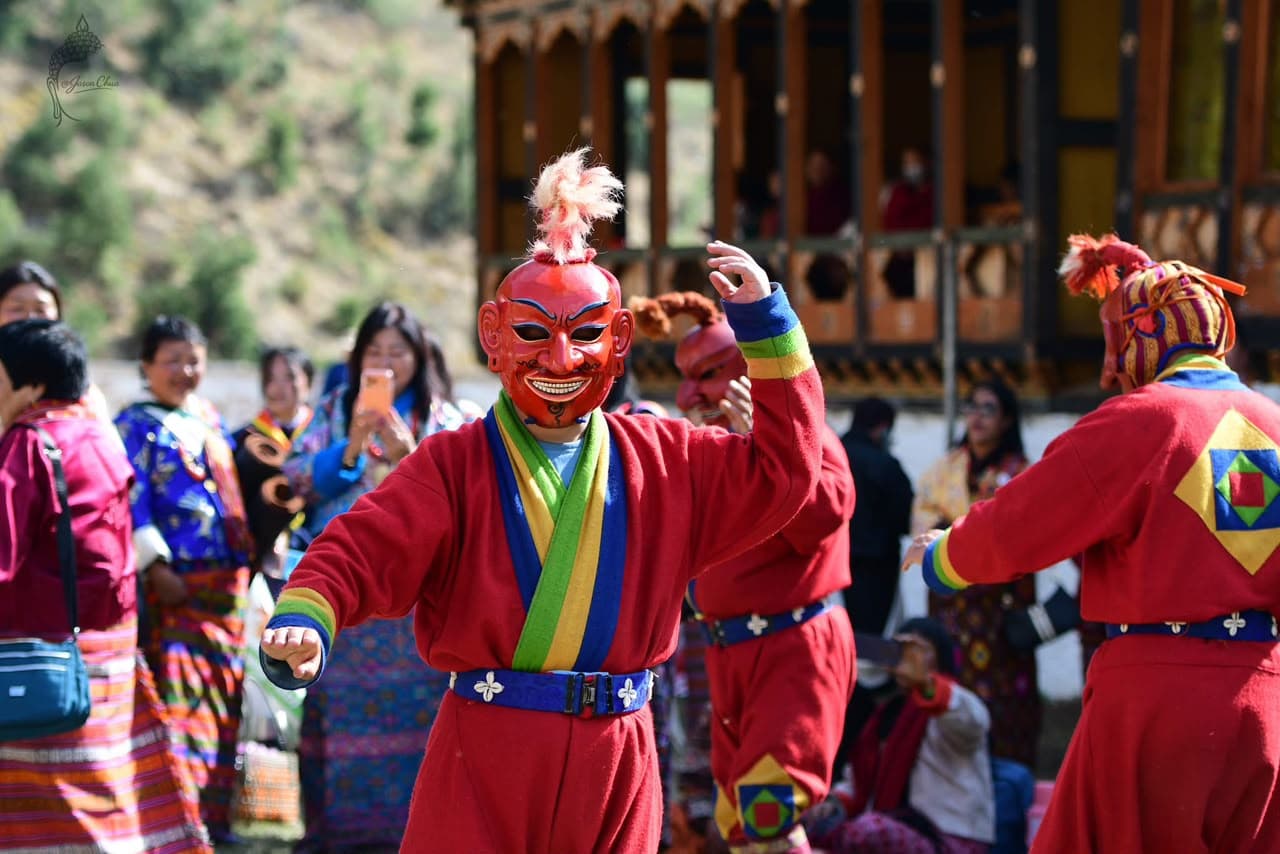
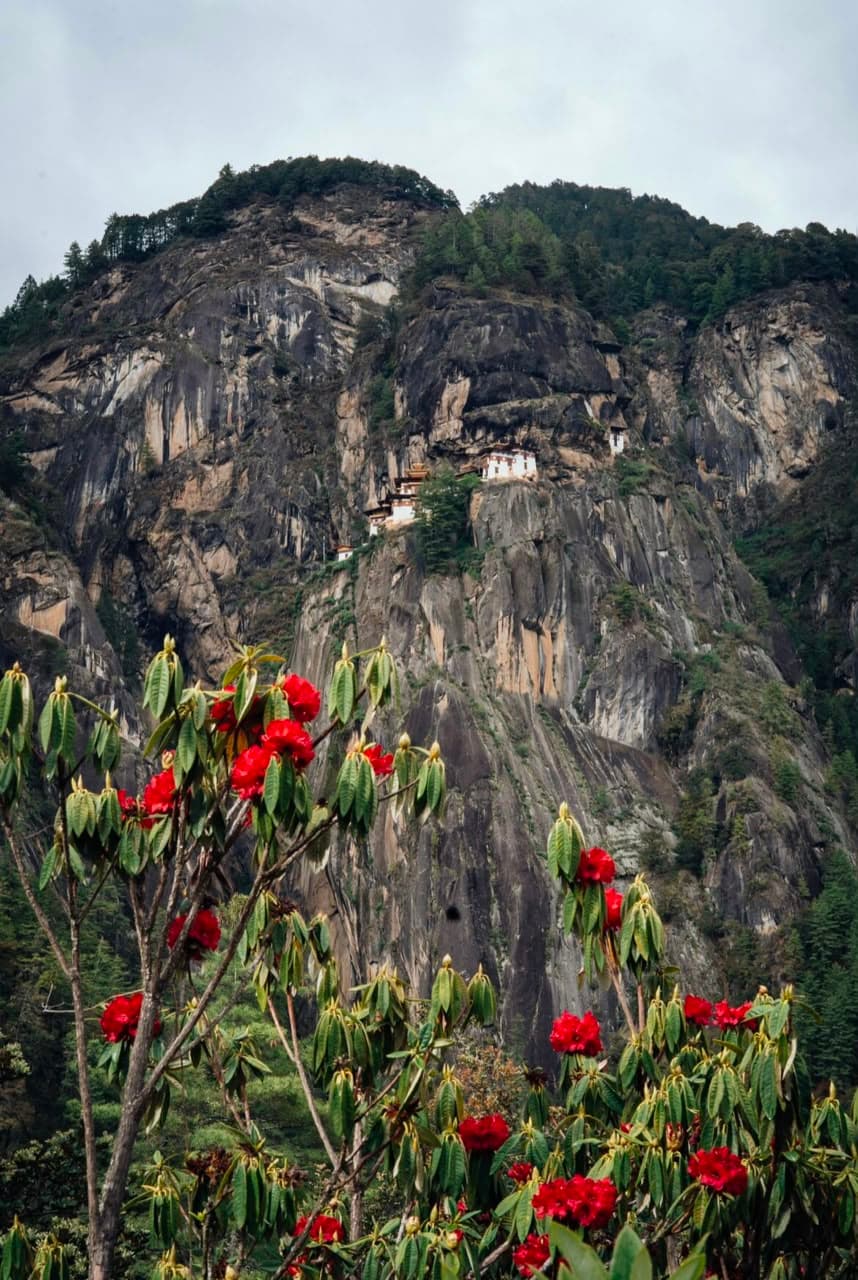
Spring is Bhutan's most popular season, and for good reason. Rhododendron forests bloom across the hillsides, temperatures are mild (10–20°C in the valleys), and the country's biggest festival — Paro Tshechu — falls in late March or April, drawing crowds for its dramatic mask dances and the pre-dawn unfurling of a giant Guru Thongdrel.
Expect higher hotel rates and busier trails at popular sites like Tiger's Nest during this window. Book 3–6 months ahead if a specific festival is on your list.
Autumn (September–November) — The Clearest Skies
Autumn is spring's rival for the top spot, and arguably wins on visibility — post-monsoon skies are at their clearest, giving the best odds of unobstructed Himalayan views from passes like Dochu La and Chele La. This is also when Thimphu Tshechu, Bhutan's largest festival, takes place, along with the Black-Necked Crane Festival in the Phobjikha valley in November.
Like spring, this is peak season — book early for festival dates and popular hotels.
Summer / Monsoon (June–August) — Green, Quiet, and Budget-Friendly
Bhutan's monsoon brings afternoon showers rather than all-day rain, and the valleys turn a lush, deep green that photographs beautifully between showers. This is the quietest tourist season, which means thinner crowds at major sites and more room to negotiate on accommodation. It's also a good window for waterfall-heavy treks and visiting Bumthang's ancient temples, which sit in a drier microclimate than the western valleys.
Pack a light rain shell and expect some road delays in remote districts after heavy rain.
Winter (December–February) — Cold, Clear, and Uncrowded
Winter is Bhutan's coldest season (expect near-freezing nights in Paro and Thimphu, colder at altitude), but days are often bright and dry, with excellent mountain visibility. Losar, the Bhutanese New Year, usually falls in this window, along with the Punakha Tshechu and Punakha Drubchen in Punakha's milder subtropical valley — a good winter alternative if you want a festival without western-valley cold.
Winter is also the best time to spot the endangered black-necked cranes that winter in Phobjikha valley through this season and into November.
Our Take
If a specific festival matters to you, check our Festival Calendar and build your dates around it — festival dates shift each year on the Bhutanese lunar calendar. If you'd rather avoid crowds and don't mind an umbrella, June–August is an underrated window. For first-time visitors chasing the classic postcard views, spring and autumn remain the safest bet.
Ready to Plan Your Bhutan Trip?
Tell us your dream trip and we'll build an itemized quote — SDF and visa already included.
Start Planning