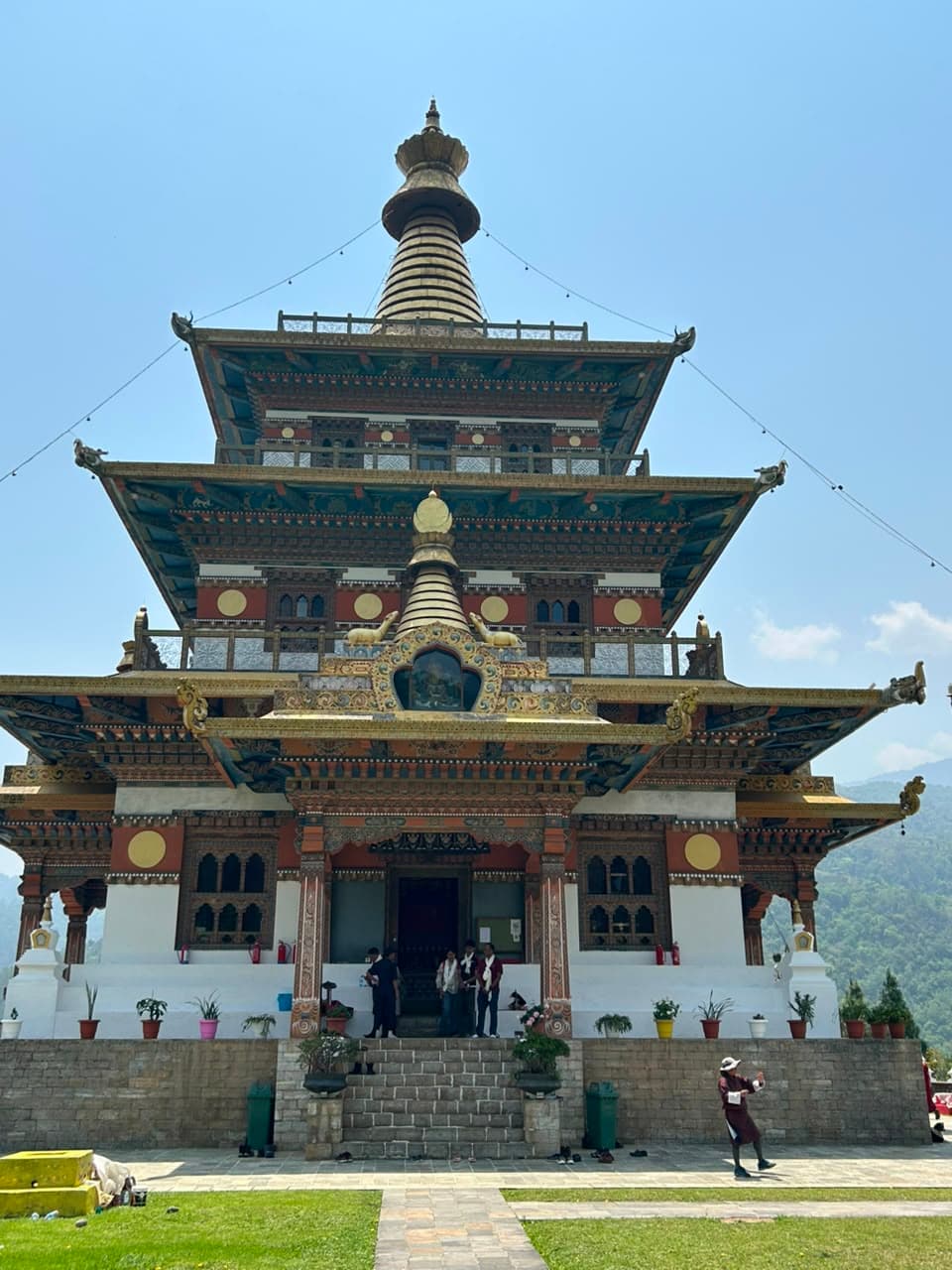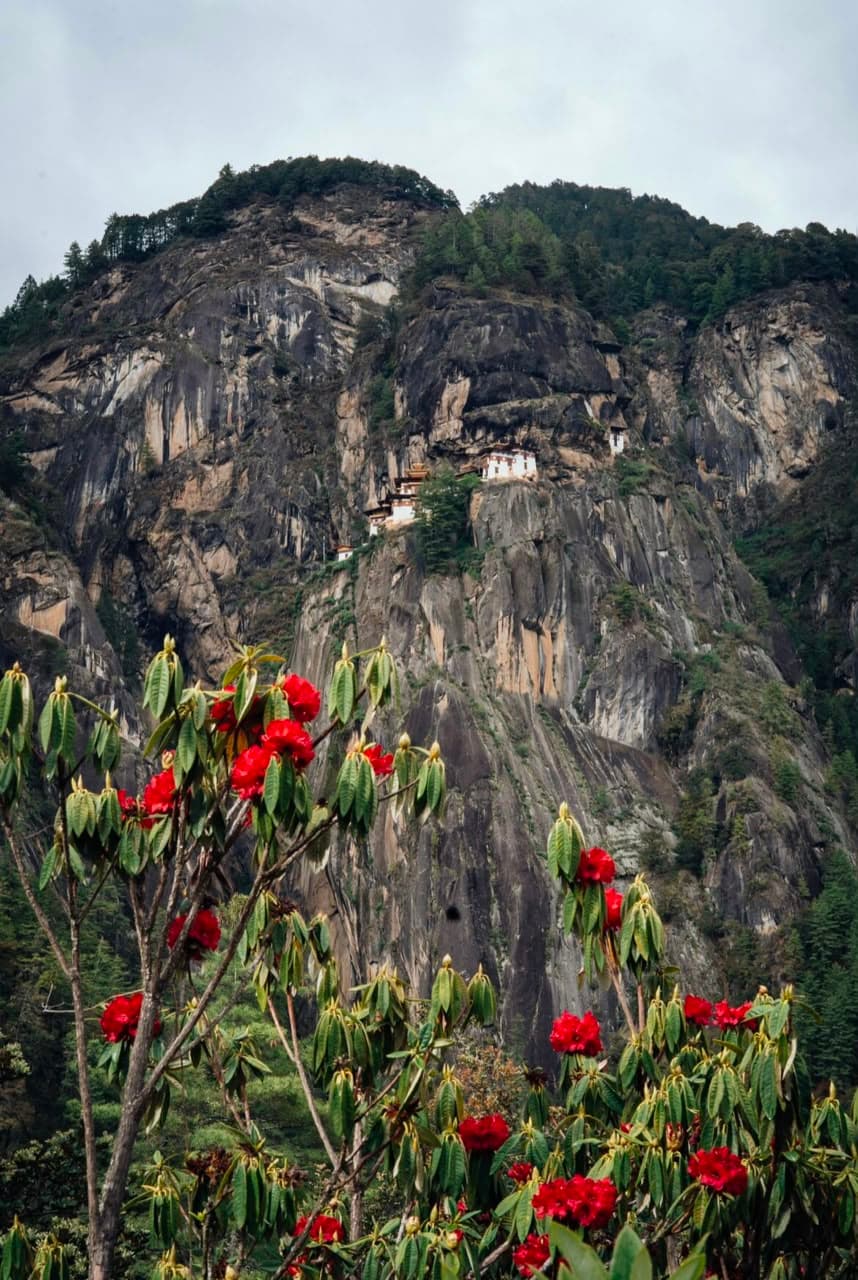
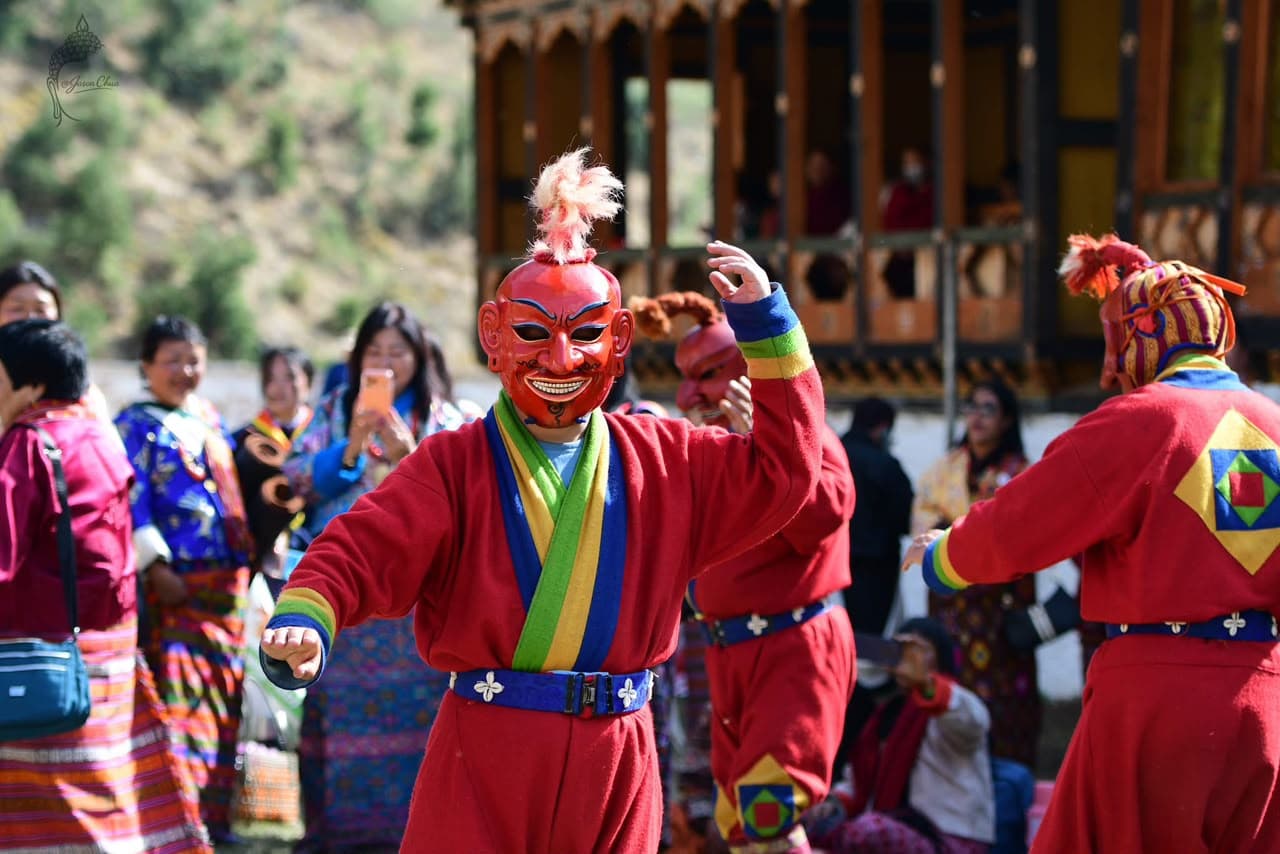
If you've seen photos of Bhutan with dancers in elaborate silk costumes and painted wooden masks, you've seen a Tshechu. These aren't staged tourist shows — they're genuine religious festivals held at dzongs (fortress-monasteries) across the country, and timing a trip around one is one of the best ways to experience Bhutanese culture up close.
What Is a Tshechu?
"Tshechu" means "tenth day" in Dzongkha, referring to the 10th day of a month in the Bhutanese lunar calendar — traditionally associated with Guru Rinpoche, who introduced Buddhism to Bhutan in the 8th century. At a Tshechu, monks and lay dancers perform Cham — sacred masked dances retelling stories of good triumphing over evil — accompanied by traditional music, while locals gather in their finest kira and gho to watch, pray, and socialize.
Because festival dates follow the Bhutanese lunar calendar rather than the Gregorian calendar, the same festival falls on a different Western date each year — which is exactly why we built a two-year Festival Calendar showing both.
The Festivals Worth Planning a Trip Around
- Paro Tshechu — Bhutan's most famous festival, held over five days at Rinpung Dzong. The final morning brings the pre-dawn unfurling of a giant Thongdrel (appliquéd religious scroll) said to cleanse the sins of anyone who sees it.
- Thimphu Tshechu — the country's largest and most attended Tshechu, held in the capital's Tashichho Dzong since 1670, drawing thousands of spectators over three days.
- Punakha Drubchen & Tshechu — a dramatic re-enactment of a 17th-century battle against Tibetan invaders, followed by a Tshechu in the mild winter climate of Punakha valley — a good alternative if you're visiting in the colder months.
- Jambay Lhakhang Drup — centred on one of Bhutan's oldest temples in Bumthang, famous for its midnight fire ritual and the Tercham "naked dance," believed to bless women seeking children.
- Black-Necked Crane Festival — smaller and more recent, held in the Phobjikha valley in November to celebrate the endangered cranes that winter there, with dances performed by local schoolchildren.
Planning Tips
Festival-season hotels in Paro and Thimphu fill up 3–6 months ahead, especially around Paro and Thimphu Tshechu — book early. Dress modestly if you're attending (covered shoulders and knees), arrive early for a good vantage point, and ask your guide before photographing monks up close. Most Tshechus are free and open to visitors, though some smaller village festivals are more intimate and appreciate a lower-key presence.
If your travel dates are flexible, check our Festival Calendar for exact 2026 and 2027 dates before locking in flights — we can build an itinerary around almost any festival on the list.
Ready to Plan Your Bhutan Trip?
Tell us your dream trip and we'll build an itemized quote — SDF and visa already included.
Start Planning